Skip to content

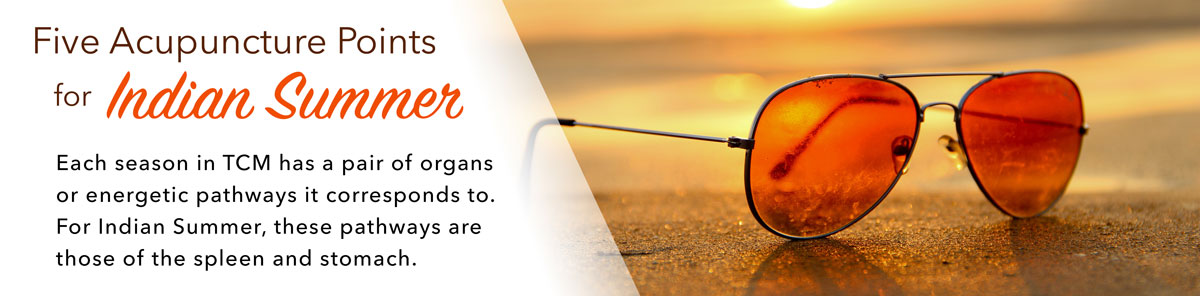
Five Acupuncture Points for Spring

Spring is the season of growth, regeneration, increased activity and new beginnings. During the season of spring, people experience many changes. Allergies, high blood pressure, headaches, sinus pain and congestion, anger, irritation and tendon problems are just some of the issues common to the spring months. Many of these problems can be attributed to increased wind in the environment. And while there is nothing that can be done about external wind, internal wind can be addressed and diminished using Traditional Chinese Medicine (TCM) and the many modalities it incorporates. continue reading »

Posted in Acupuncture, Traditional Chinese Medicine | Tagged , , , , , , | Comments Off on Five Acupuncture Points for Spring

Mental/Emotional Aspects of The Heart

The major responsibility of the heart in TCM is housing the mind and controlling the shen. “Shen” can be seen as the overall healthiness of the mind. When you look at a healthy person in good spirits, you know how you can see that in their eyes? There is a certain bright clarity and sense of health that shines from within. We acupuncturists would say that this person has good shen. continue reading »

Posted in Acupuncture, Traditional Chinese Medicine | Tagged , , , | Comments Off on Mental/Emotional Aspects of The Heart

Physical Aspects of The Heart

In Traditional Chinese Medicine, the heart is the organ most closely linked to emotion. Think about all the terms we use every day to describe our state of mind: “heartsick,” “heartbroken,” “heartache” The heart is not the director of subtlety; the emotions it encompasses seem to always be on the far end of the spectrum, either extreme sadness or extreme joy. continue reading »

Posted in Acupuncture, Traditional Chinese Medicine | Tagged , | Comments Off on Physical Aspects of The Heart

Auricular Acupuncture

Traditional Chinese Medicine is a medical system that dates back nearly 4,000 years. Auricular acupuncture was first mentioned around 500 B.C. in the Yellow Emperor’s Classic of Internal Medicine, which is the equivalent of the Bible for TCM practitioners. However, the method in which auricular acupuncture is practiced today is actually based upon discoveries that occurred in France in the 1950s. Modern auricular acupuncture is based upon the work done by Dr. Paul Nogier of France.

Auricular acupuncture is the stimulation of the external ear for the diagnosis and treatment of health conditions. These health conditions may be taking place anywhere throughout the body. The stimulation of these acupuncture points can be done manually, with an acupuncture needle, a laser, magnets or ear seeds. Regardless of the means of stimulation, auricular acupuncture can be a very powerful addition to regular acupuncture treatments.

The current form of auricular acupuncture came about after Dr. Nogier noticed a scar on the upper ear of some of his patients. When he inquired about the scar, he found out a local practitioner had been treating his patients for sciatica pain and she was cauterizing this specific area on the external ear to relieve their low back pain. Dr. Nogier conducted similar tests on his own patients and found their low back pain was also relieved. He tried using other means of stimulation as well, such as acupuncture needles and found it to be just as effective as cauterizing the area. So Dr. Nogier theorized if an area of the upper external ear is effective on treating low back pain, then perhaps other areas of the ear could treat other parts of the body. This led to the model now used when teaching auricular acupuncture. The ear is thought to represent the whole anatomical body. However, it is upside down in orientation, so the head is represented by the lower ear lobe, the feet are at the top of the ear and the rest of the body is in between. According to history, the Chinese actually adopted this model of auricular acupuncture in 1958.

Auricular acupuncture is considered a microsystem, in that the ear is like a microcosm of the whole body, meaning one part of the body, the ear in this instance, represents the whole body. Microsystems also appear on foot and hand reflexology, facial acupuncture and scalp acupuncture.

This system has been practiced in Asia, albeit in a different form, for over 2,000 years. Auricular acupuncture has been used in Europe for the past 40 to 50 years. And it is finally starting to take root in the United States. The U.S. military, over the past 5 to 10 years, has started utilizing auricular acupuncture for its battlefield personnel. This form of battlefield acupuncture is used to help soldiers deal with PTSD (post-traumatic stress disorder) brought on by being in combat.

Since auricular acupuncture allows for every part of the external ear to connect through the microsystem to every part of the body, many conditions can be treated using only a few very tiny needles. Not only can PTSD be treated using auricular acupuncture, but also things like chronic pain, drug addiction, high blood pressure and nausea. And for those who are a little needle-shy, auricular acupuncture is a great way to treat them because they will never see the needles and they will still get the help they need to achieving health and wellness.

Photo credit: Ear – Travis Isaacs | CC 2.0

Posted in Acupuncture | Tagged , | Comments Off on Auricular Acupuncture

Cinnamon-Walnut Congee

Cinnamon-Walnut Congee – makes 3-4 servings

See below for more about the wonderful health benefits of walnuts and their importance in Chinese Medicine.

INGREDIENTS
1/2 cup chopped walnuts
1/4 cup chopped pecans
1/2 cup uncooked short-grain rice, rinsed and drained
1/4 teaspoon salt (optional)
4-5 cups water
1 teaspoon ground cinnamon, or to taste
1-2 teaspoons honey or other natural sweetener, or to taste (optional)

DIRECTIONS
1. Combine the walnuts, pecans, rice, salt (if using), and water in a pot.
2. Bring to a boil, then lower the heat and simmer, covered with the lid slightly ajar, for 45-60 minutes, stirring occasionally. Add a little extra water if the congee is drying out and/or threatening to stick to the bottom of the pot.
3. Add the cinnamon and cook for 2-3 more minutes.
4. Add the honey, if desired, then serve.
5. ALTERNATIVELY, just put everything in a crock pot like John does and let it cook overnight!

ESPECIALLY GOOD FOR:
Anyone with cold extremities, weakness, impotence, diarrhea, low back pain, poor memory, insomnia, or frequent nighttime urination.

IN CHINESE MEDICINE:
This dish harmonizes the Heart and Kidneys, augments the Kidney essence, and strengthens the Spleen qi.


Kernels of TCM Wisdom: Nuts for Nutrition

(The recipe for this season is Cinnamon-Walnut Congee.  Here is a great article about the health benefits of nuts from a Chinese medicine perspective:  www.china.org.cn/health/2009-02/03/content_17214585.htm)

Eat nuts for your heart, brain, and reproductive system – that’s where your “innate essence” is stored. “Warm” energy nuts are especially good in cold winter.

Nuts are a well-known health food and traditional Chinese medicine recommends nuts as part of a healthy diet, especially in winter as nuts are hot/warm yang energy foods. Eating nuts when it is cold can help reinforce energy, though eating too many nuts in warm weather can cause excessive internal heat.

Nuts are loaded with vitamins, nutrients, and unsaturated fatty acid and can help promote heart health, reduce cancer risk and fight problems of aging, according to Western medicine.

TCM considers nuts especially good in reinforcing the kidneys (the term for kidneys and the reproductive and urinary systems). Nuts promote brain health, sharp thinking and generally build up health.

All nuts are good for you. Walnuts, almonds and chestnuts are especially popular and part of TCM dietary therapy.

Walnuts

Nutrition: Rich in protein, fat, vitamins and minerals. Most of the fat in walnuts is linoleic acid, a nutritious unsaturated fatty acid that helps lower cholesterol and prevent hardening of the arteries. The vitamins B and E and phospholipid in walnuts can help delay cell aging and improve memory. Microelements like calcium, zinc, cooper and chromium are essential for metabolism.

TCM function: Walnuts are a “warm” food that benefits the spleen (the term for the digestive system), reinforces blood and kidney energy, nourishes lungs and benefits spirit (the term for brain function). It is widely used to relieve coughing, frequent urination and poor memory.

The surface of the walnut resembles the crinkled brain surface, so it is believed to benefit the brain. This is based on the ancient theory that eating things that resemble parts of the body can actually benefit that body part.

Walnuts also nourish the skin and help prevent gray hairs, according to “Kaibao Bencao” (“Materia Medica from the Kaibao Era”) by Liu Han, TCM doctor in the Song Dynasty (960-1279).

Eating a few walnuts every day as snack is recommended for everyone, but don’t eat more than 100 grams, lest it cause indigestion. Eating a few when you feel tired can act as a pick-me-up, relieving fatigue and stress.

Posted in Uncategorized | Comments Off on Cinnamon-Walnut Congee
510-570-8195 Directions Contact/Schedule